ENERGY

Fun, interactive and educational energy challenges

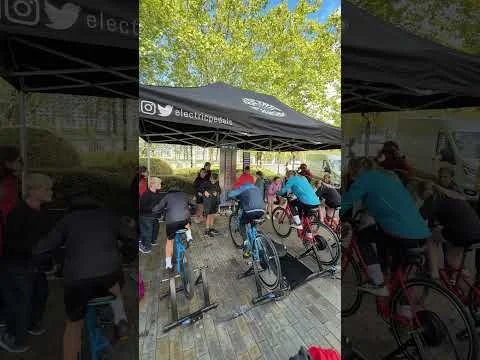
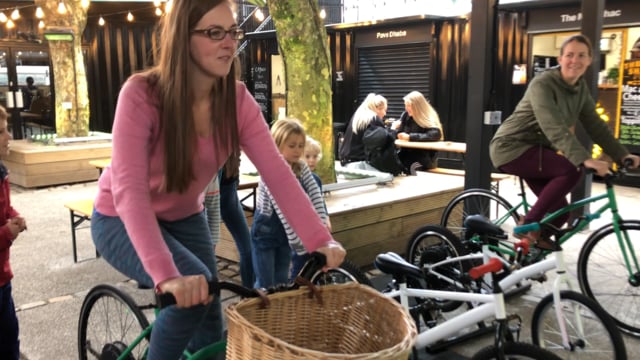
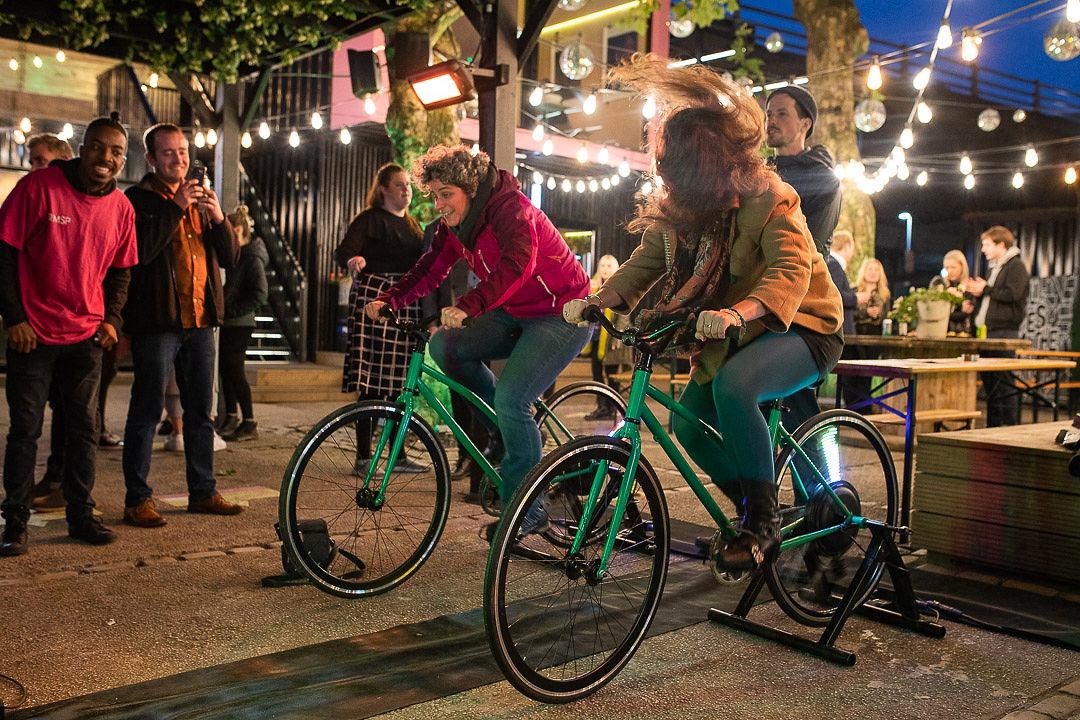
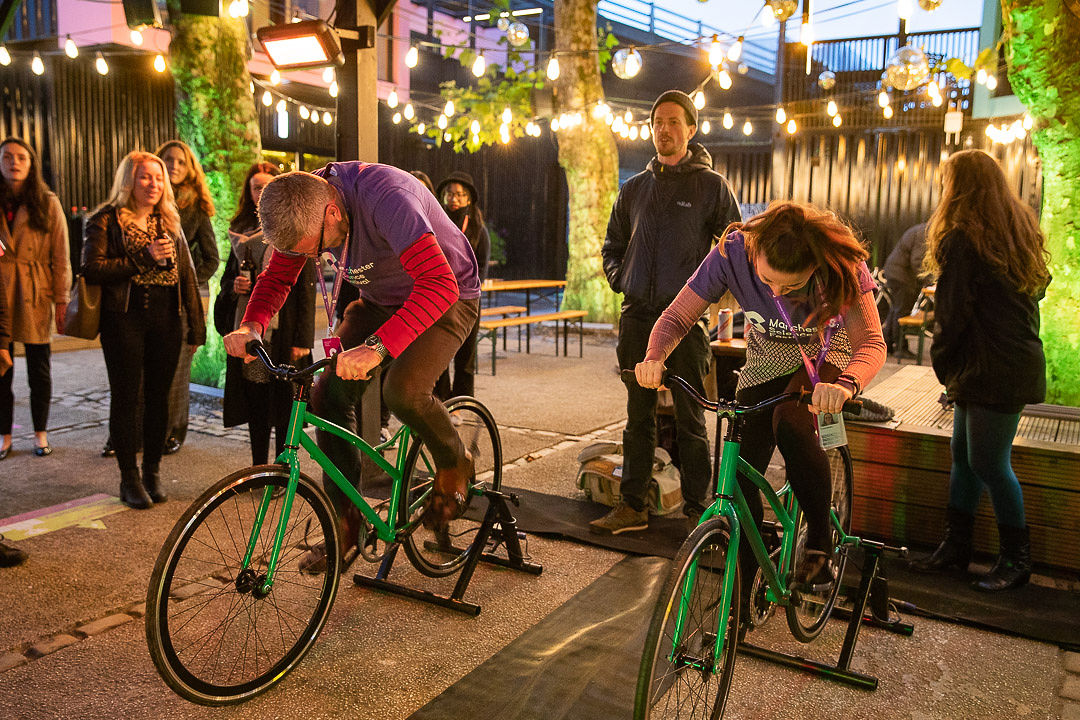
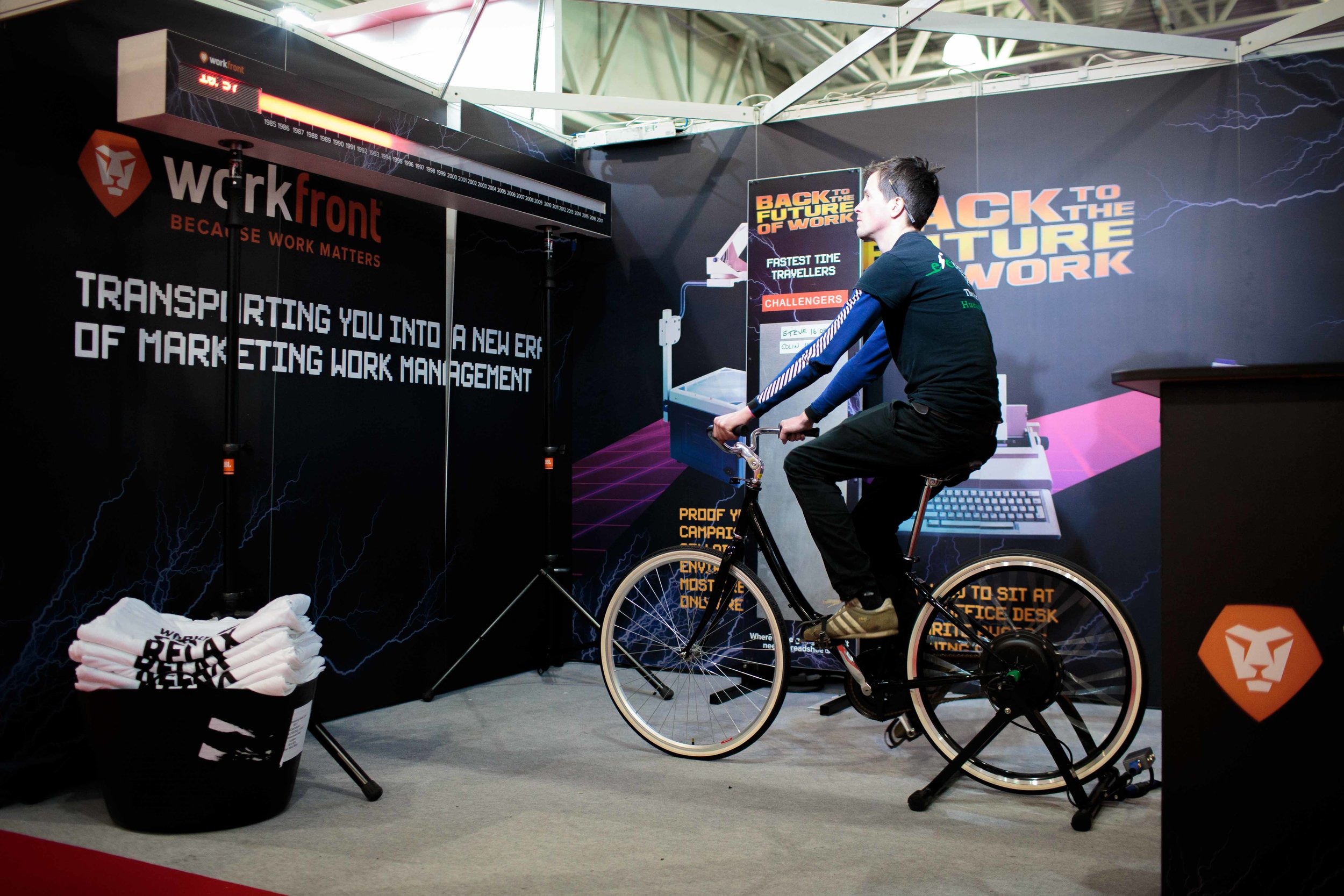
Electric Pedals delivers human-powered energy challenges designed to suit a wide range of events and audiences. From single-bike challenges to head-to-head races, our activities are fun, competitive and hands-on — helping people understand energy through physical effort.

Participants generate real electricity to power lights, devices and displays, promoting energy awareness, health and active participation. These challenges work just as well in offices and corporate settings as they do in classrooms, festivals and public spaces.

We currently offer three core challenge set-ups:
Head-to-Head Energy Challenge
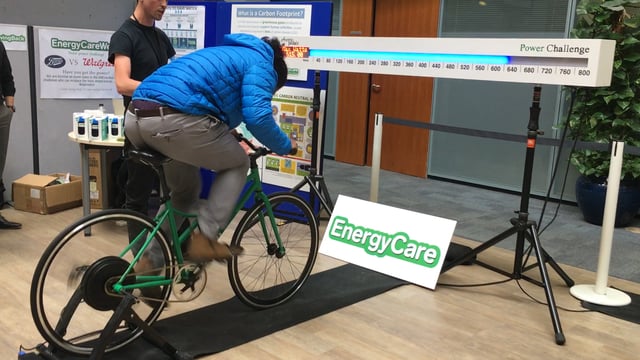
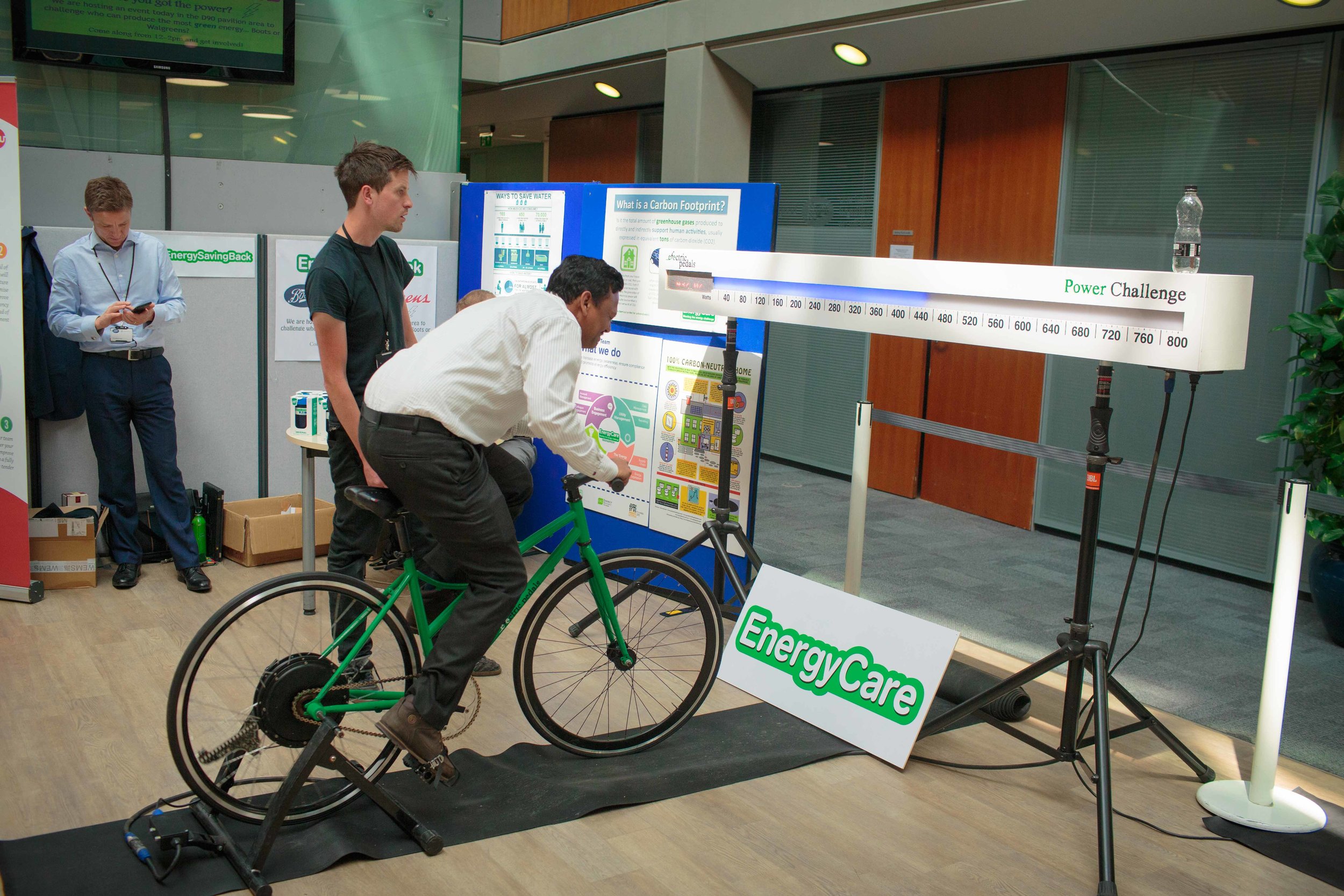
Power Challenge
Light Bulb Challenge

Each setup can be adapted to suit your space, audience size and event format. Take a look at the Further Information below section before getting in touch and we’ll be happy to advise on the best option.
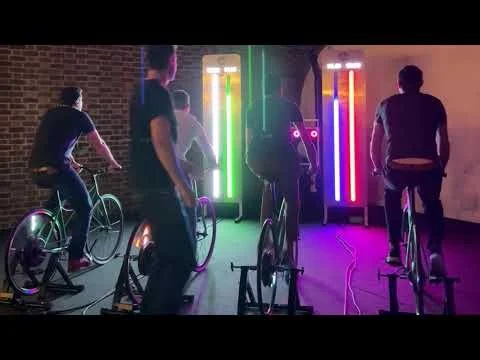
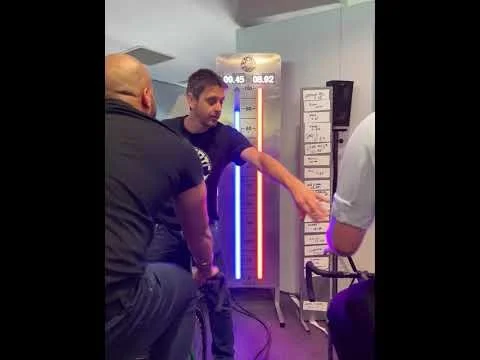
Head to Head ENERGY CHALLENGE

Ever wondered how much energy it takes to heat water?

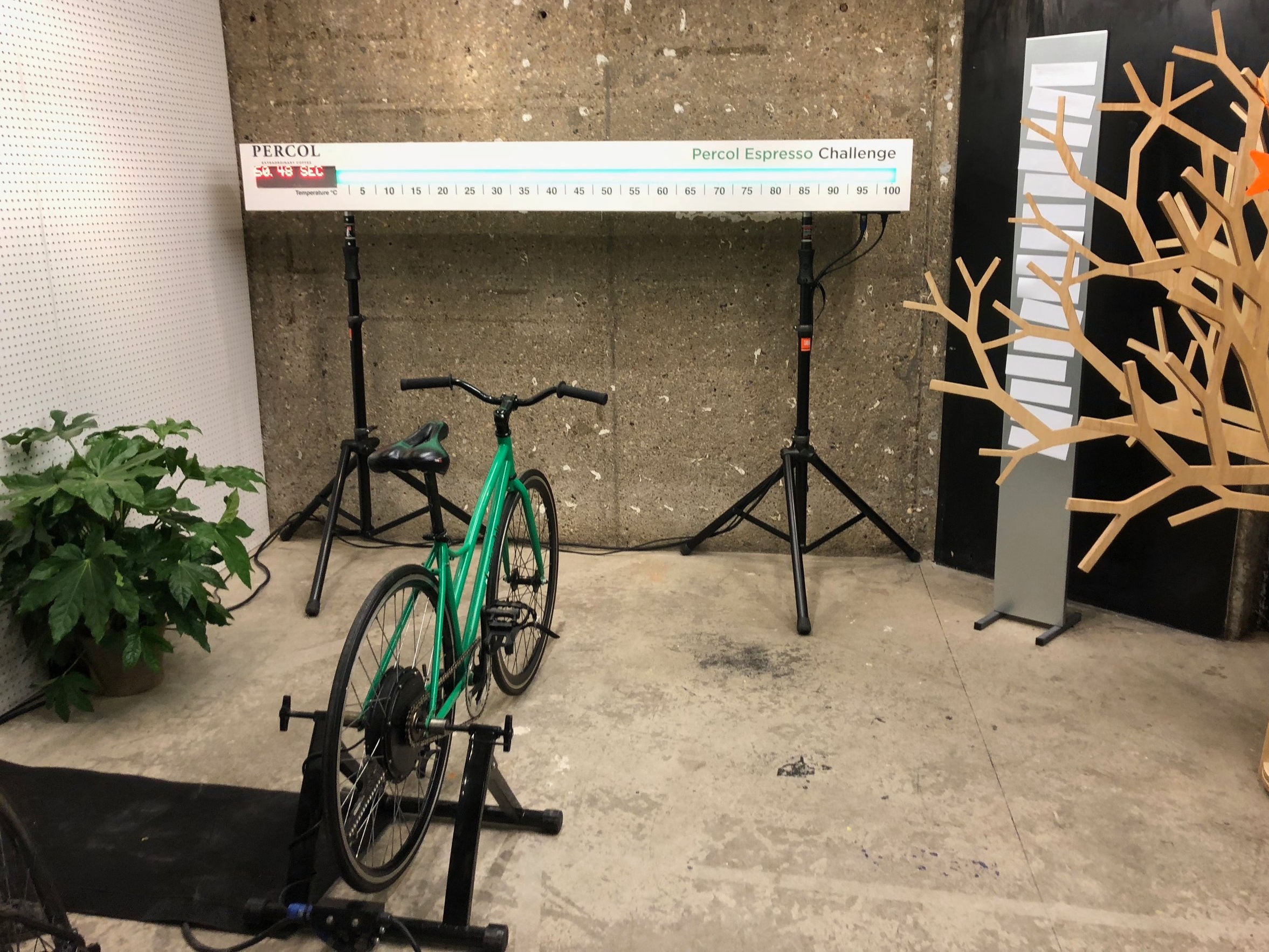
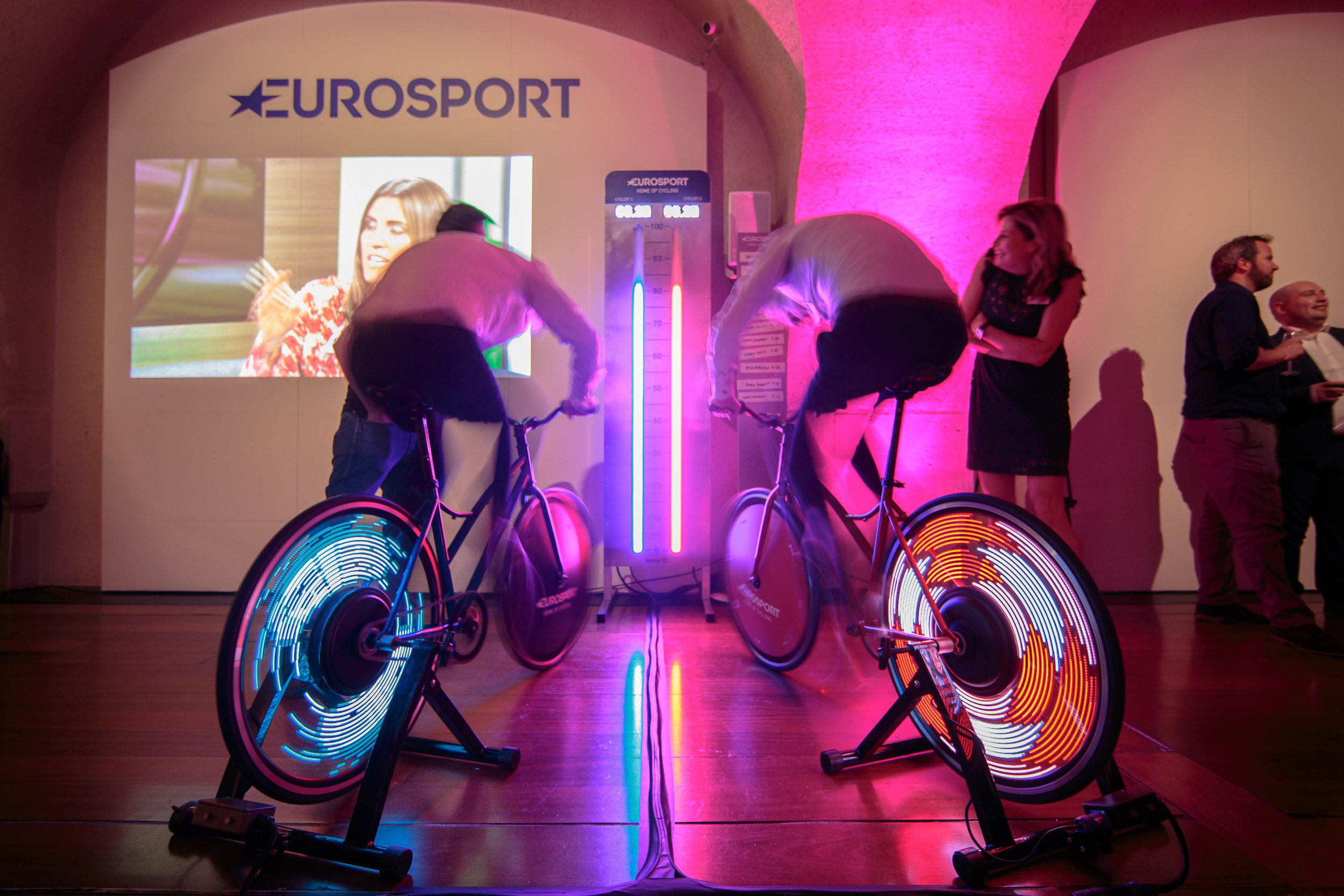
In this head-to-head energy challenge, participants race to generate the amount of human power required to boil a very small amount of water. It’s educational, competitive and surprisingly eye-opening — a simple way to make energy use tangible.

Suitable for both adults and children, this challenge combines physical effort, learning and a bit of friendly rivalry.

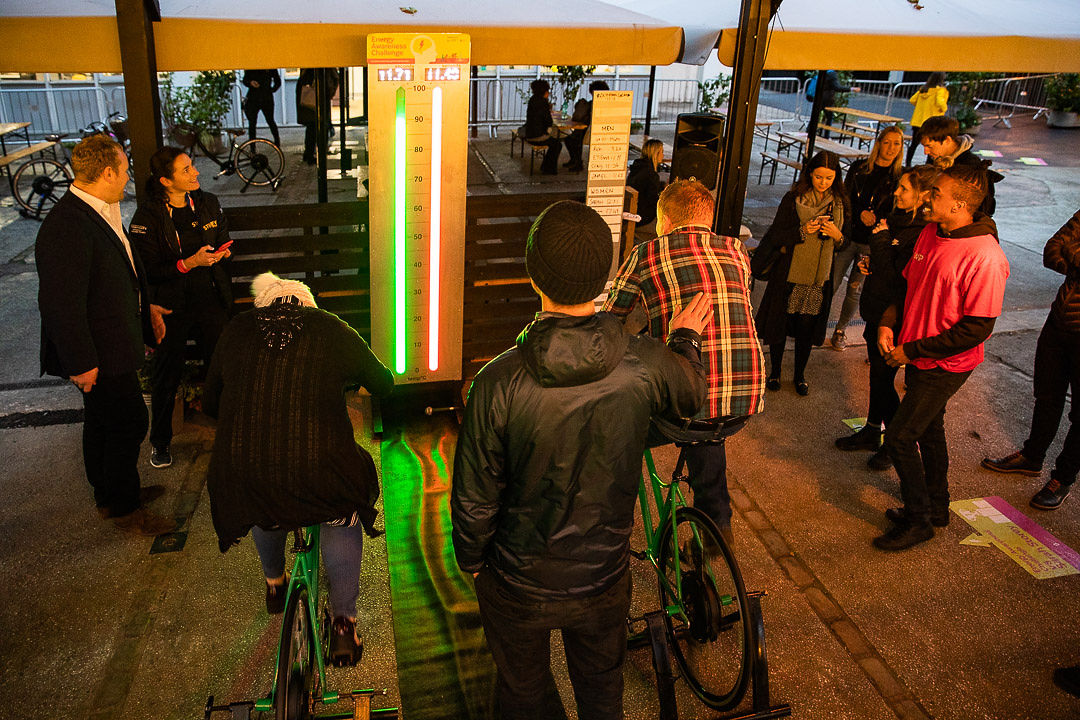
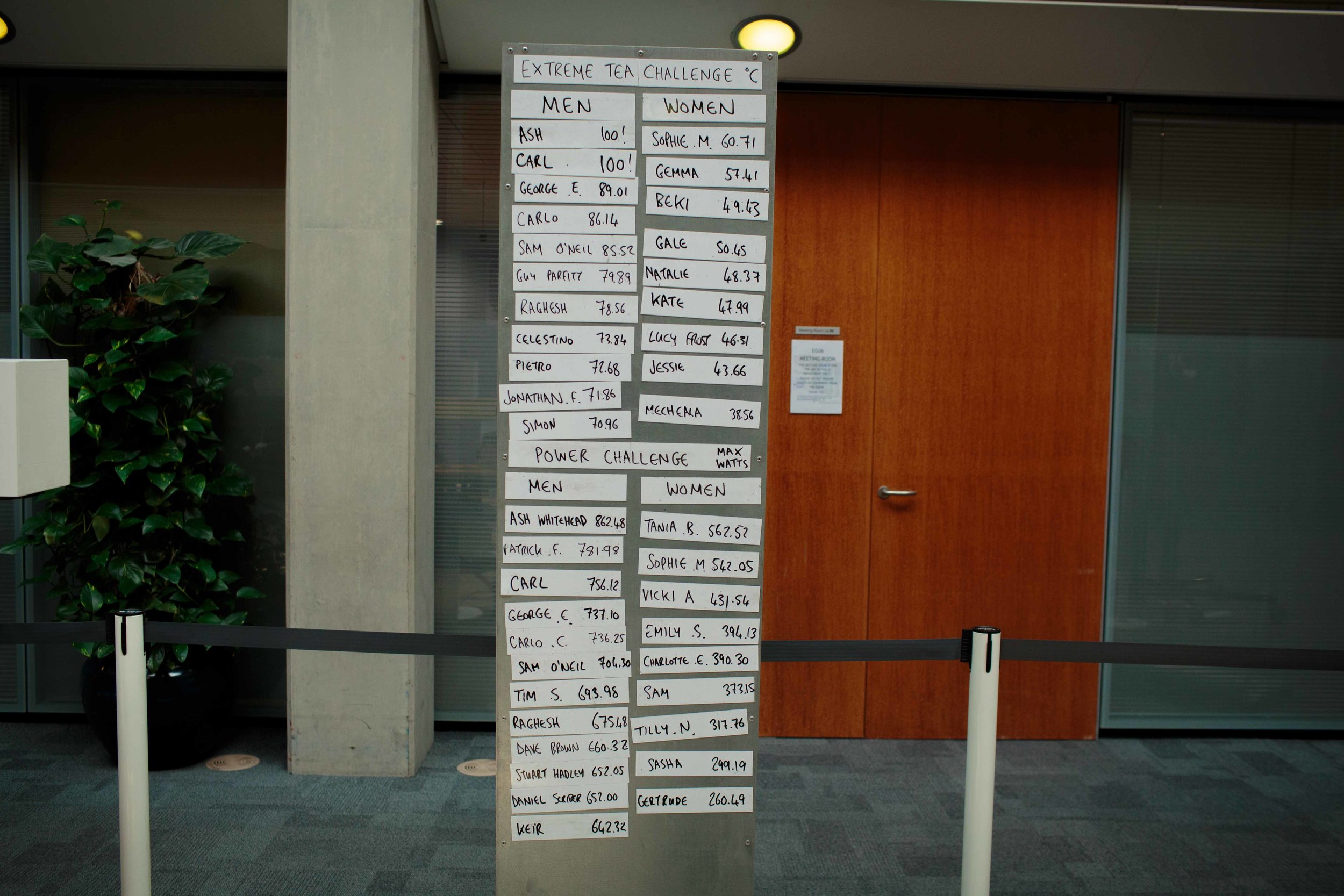
How it works: Each participant pedals to generate the equivalent amount of energy needed to heat a pre-determined volume of water (typically 5ml for children and 10ml for adults). Challengers go head-to-head to see who can reach boiling point in the shortest time. Results from each race are recorded, with participants competing for a place in the Top 10 on our magnetic leaderboard.

Learning outcome: Helps participants feel and understand how much effort is needed to heat even a small amount of water.


POWER CHALLENGE

How much power can a human generate — and how does that compare?

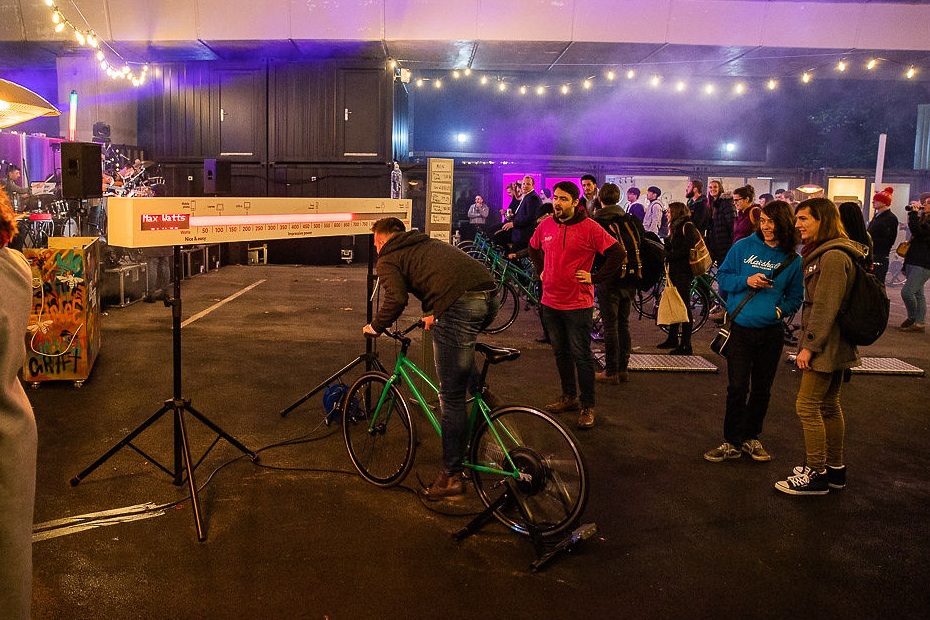
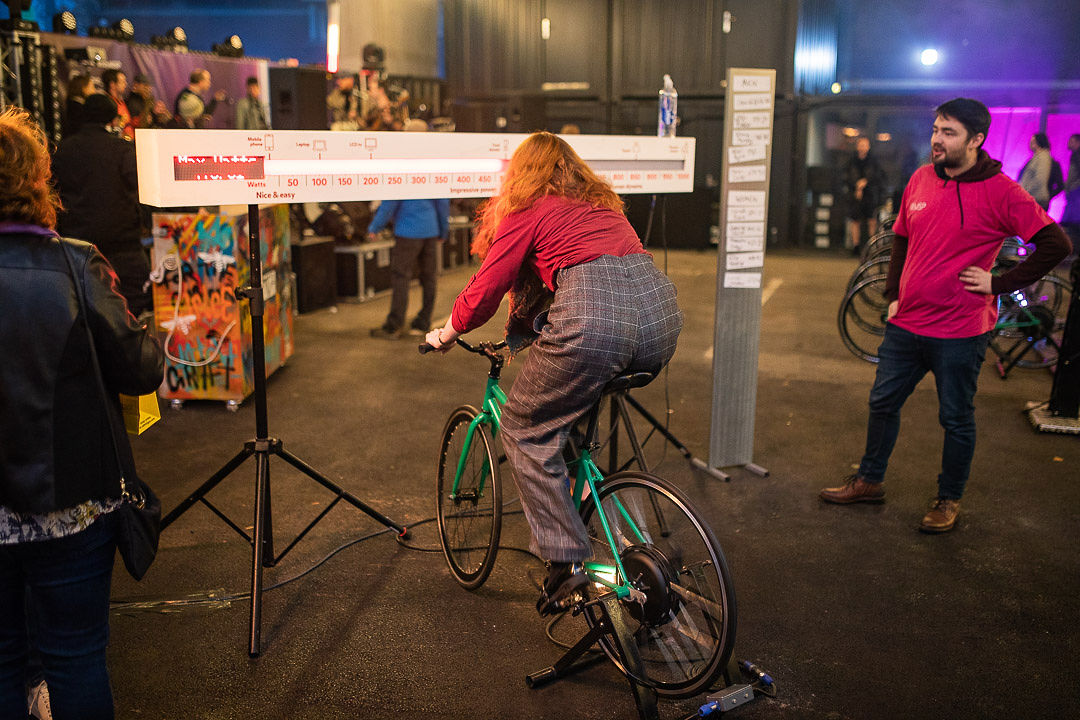
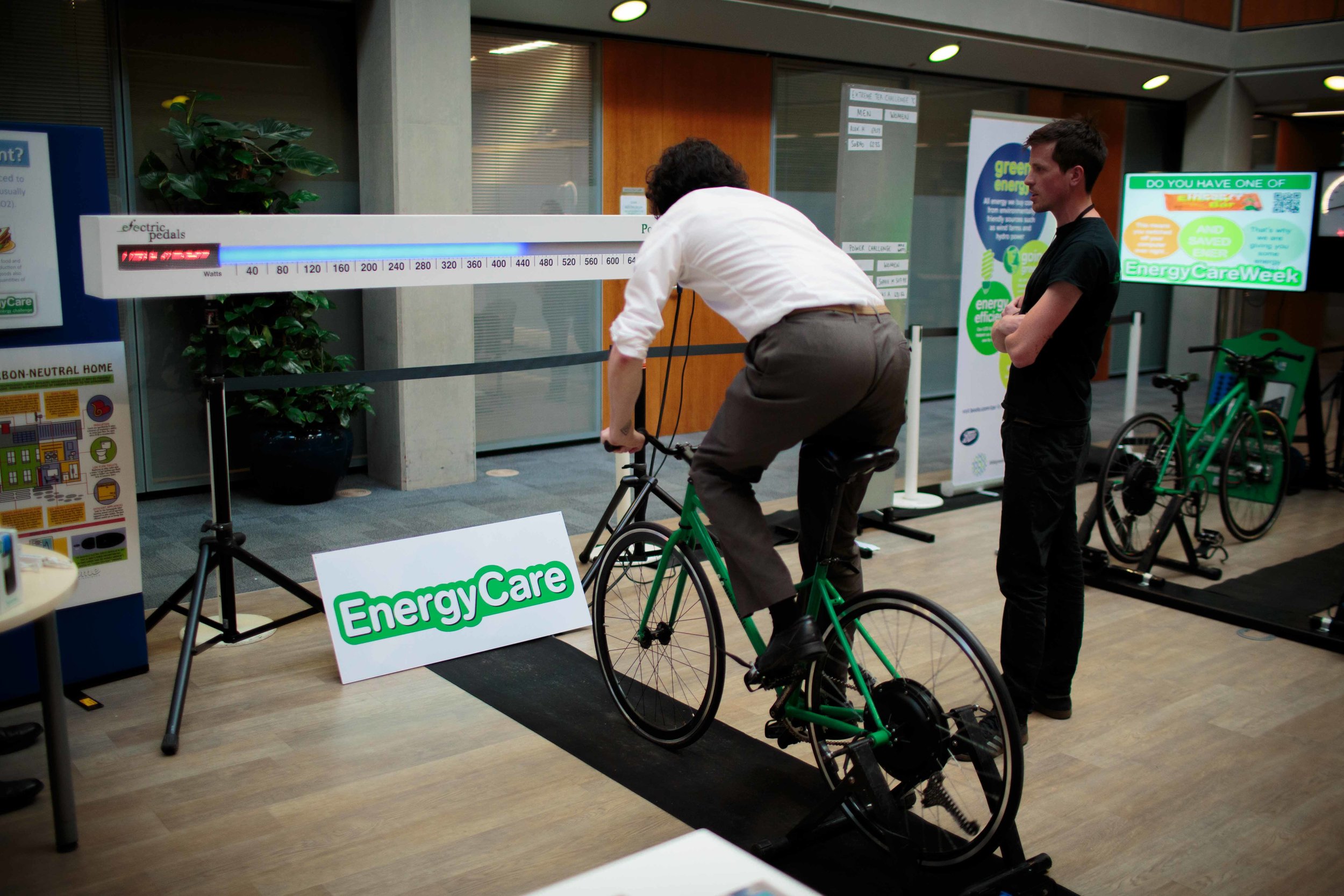
The Power Challenge is similar to a fairground high striker: a short, explosive test of how much power a person can generate in an instant. It’s a simple and engaging way for participants to feel in their legs what it takes to power everyday household appliances.

Fast, competitive and accessible, this challenge works well for all ages and creates an immediate connection between physical effort and electrical power.

How it works: Each participant pedals as hard as they can in a short sprint to generate maximum power. Their peak power output (in watts) is recorded, and the highest score takes the top spot on the leaderboard. We then compare the cyclist’s power output with the power required to run common household appliances, putting the numbers into real-world context.

Learning outcome: Demonstrates how human power output is measured in watts and how it compares to the energy demands of everyday electrical appliances.


LIGHT BULB CHALLENGE

Feel the energy required to power different light bulbs

It’s something we often take for granted. We flick a switch and the light comes on — but how much energy does it actually take?

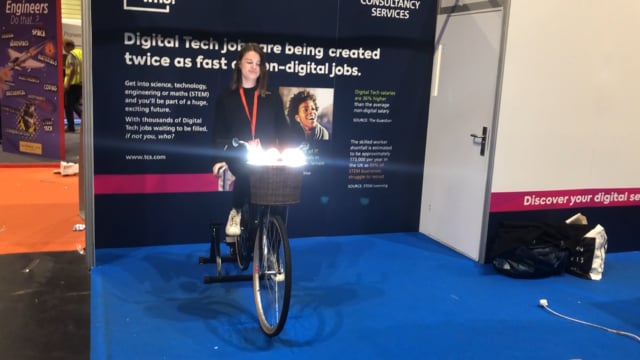
Our Bulb Bike allows participants to power both LED and incandescent bulbs, which can be switched on independently. By comparing newer and older lighting technologies, people can feel the difference directly in their legs as they work to keep the bulbs illuminated.

Educational and highly engaging, this challenge gives participants a hands-on understanding of energy use by generating light using their own power.

How it works: Participants switch between LED and incandescent bulbs while pedalling. The difference in effort required is immediately noticeable, clearly demonstrating how lighting technology affects energy demand.

Learning outcome: Demonstrates how different lighting technologies require different amounts of energy, highlighting the impact of efficiency in everyday electricity use.