
PROJECTS > ATMEN - SCHAUBUHNE THEATRE
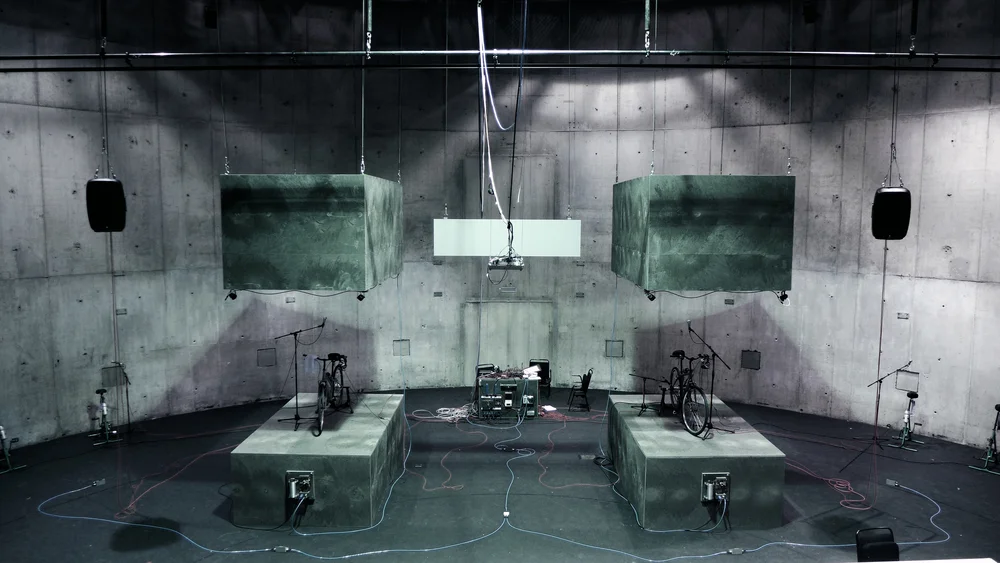
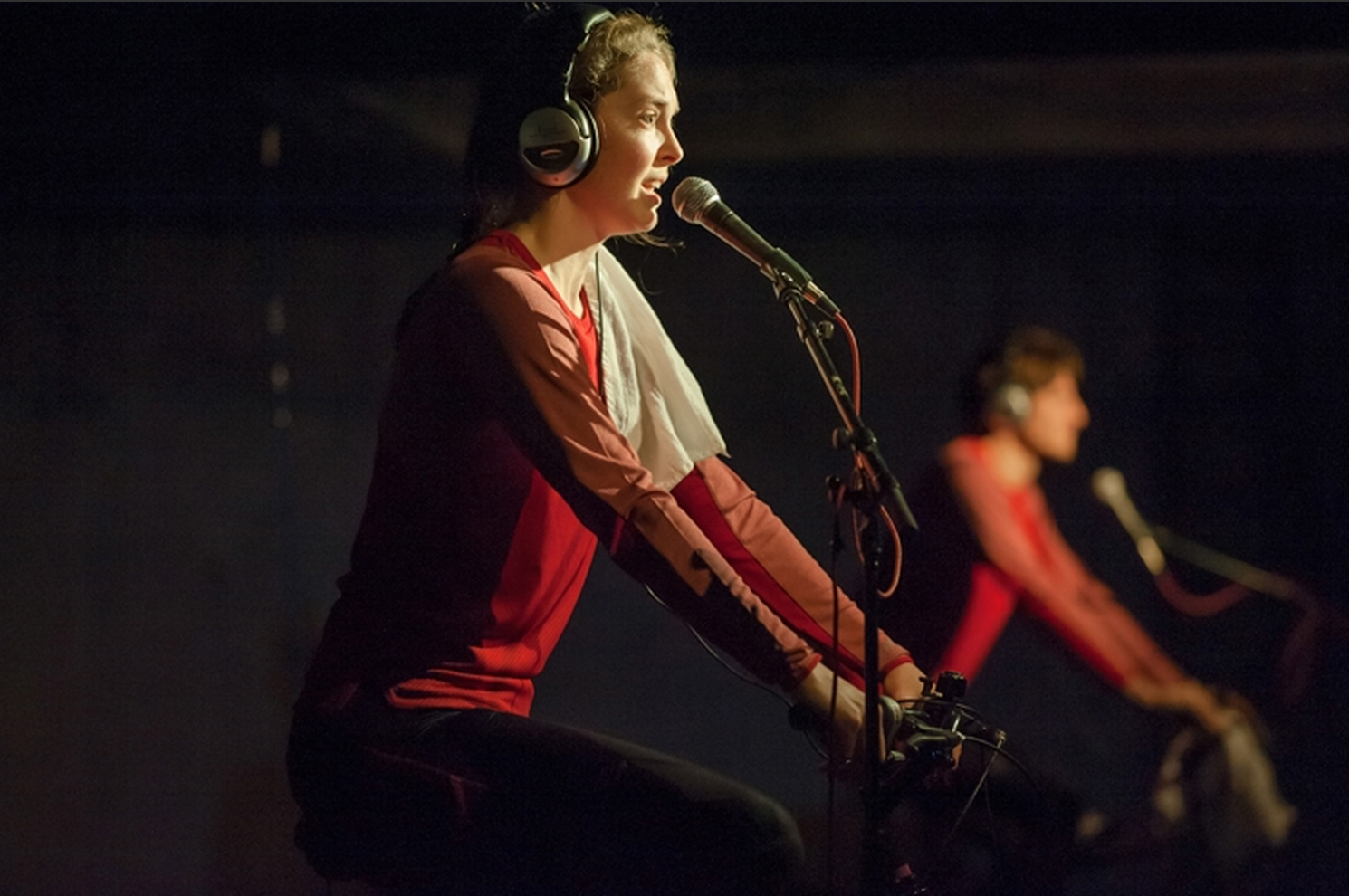
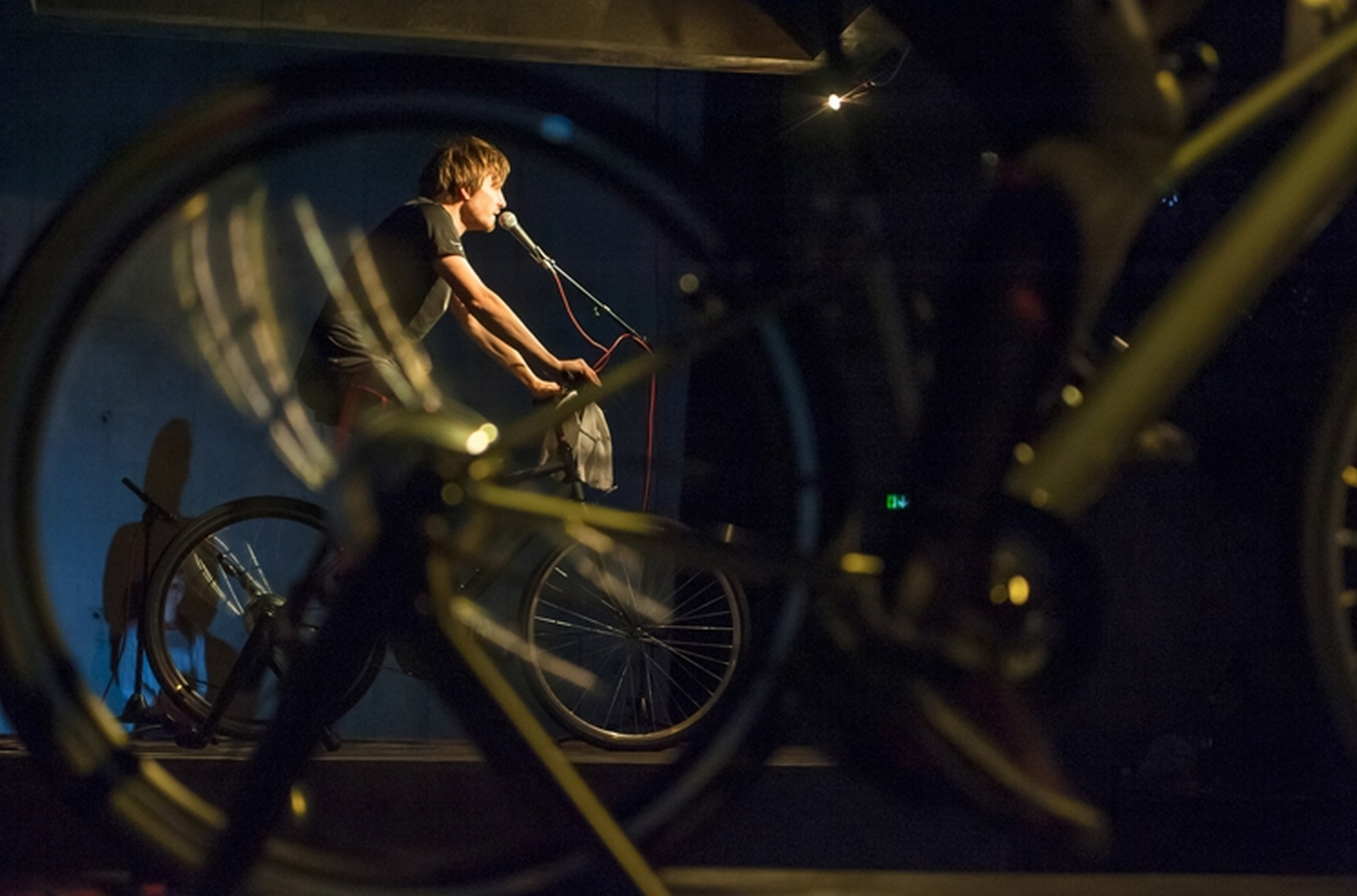
Atmen (or 'Lungs' in English) was directed by Katie Mitchell OBE, at the Schaubühne International Theatre, Berlin. Concerned with population growth and climate change, Atmen looked at how these factors make it difficult when you're young and thinking about the potential carbon footprint of your baby. The central concept of Mitchell’s production was that the actors, and stage crew, were on bicycles in the shallow concrete cyclorama, generating the power for the entire show by pedalling throughout.
As journalist Summer Banks states, 'this principle of human-generated energy is more than just flimsy greenwashing, it shapes everything about the production, from the lighting to the blocking to the sound design.' Electric Pedals' engineering therefore became a fundamental part of this cutting-edge, eco-theatre experience.

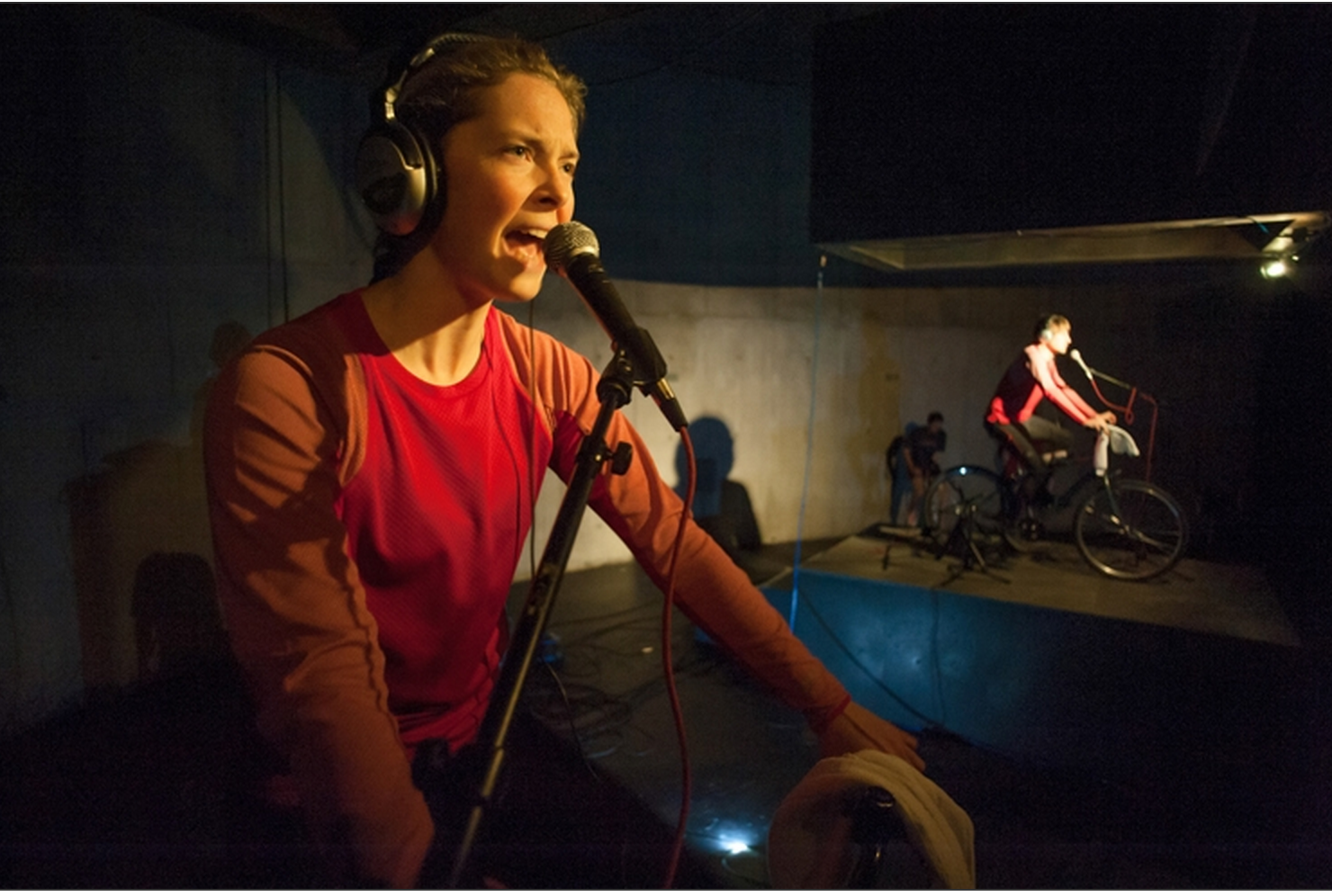
Installation
Two bicycles ridden by the performers generating power for their own stage lighting
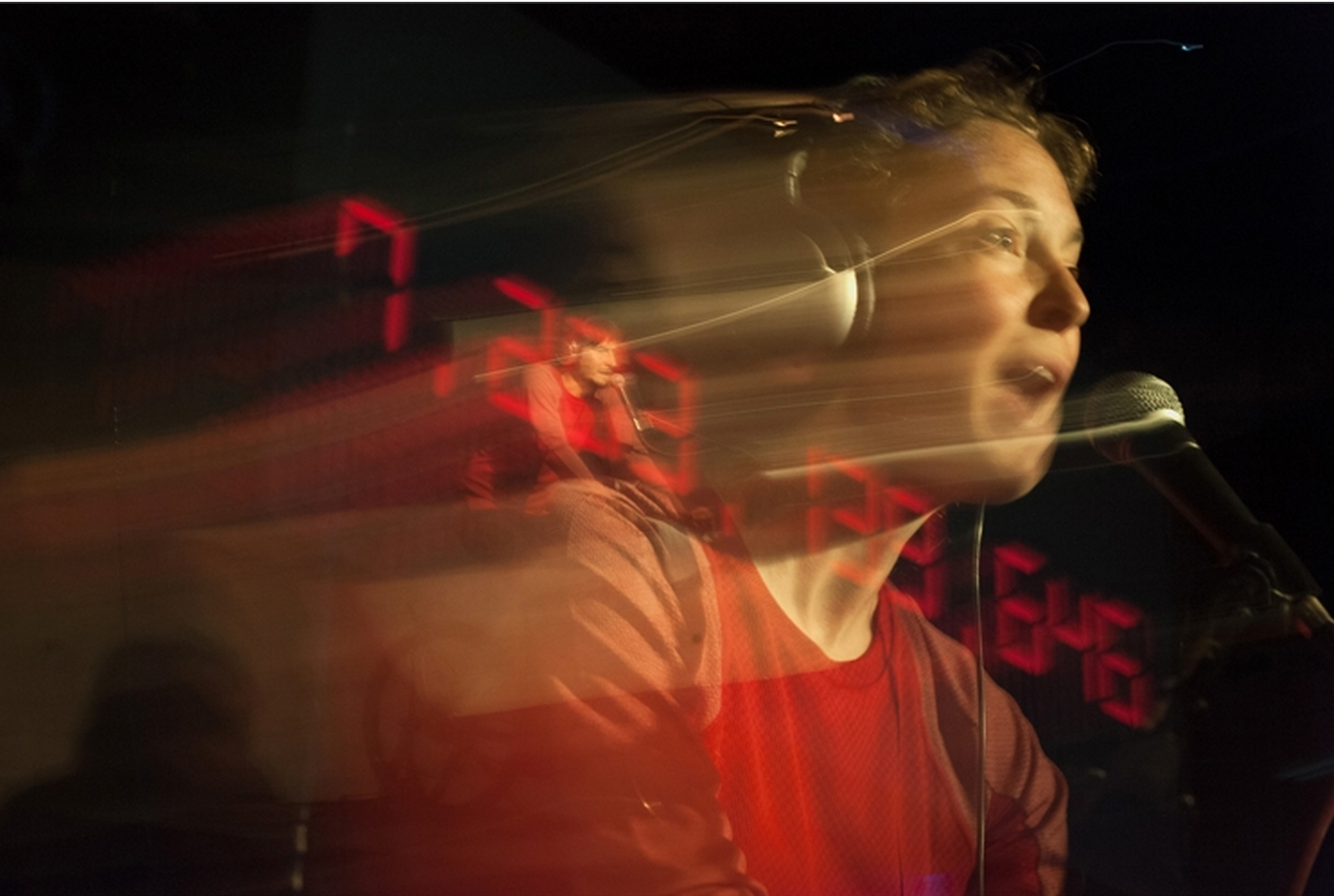
Four additional bicycles powering the full audio system and a projected real time population counter
Continuous pedalling required for lighting, projection and sound to operate
Real time load balancing and power distribution engineered for live theatrical conditions
Installed within shallow concrete cyclorama at Schaubuhne Theatre, Berlin
Impact
Human generated electricity was central to the artistic concept, not an add-on
Power constraints shaped lighting design, blocking, pacing and sound decisions
Performers and crew physically embodied the show’s thematic concerns about energy and responsibility
The projected ‘population counter’ and real-time interactive elements made energy visible and narrative driven
Audience and critics noted that power generation was intrinsic to the theatrical experience (as reported by observers such as postcardsgods)
Outcome
Successfully delivered a live, load-balanced human powered energy system under the demands of professional theatre
Demonstrated that human power can drive complex multimedia stage design, not just simple effects
Strengthened understanding that energy becomes part of the performance narrative when there is no hidden source
Helped position pedal-powered systems as a tool for conceptually driven production design, not just event engagement